If you’re like me, you’re noticing AI is writing pretty much everything you’re reading these days.
If you’re REALLY like me, you’re getting a bit sick of it. “It’s not X, it’s Y” is making all the Substacks I was unwittingly subscribed to even more intrusive.
The minute I identify that AI wrote what I’m reading, I just feel marketed to. Lazily marketed to.
Advertising used to really have to cut through the noise.
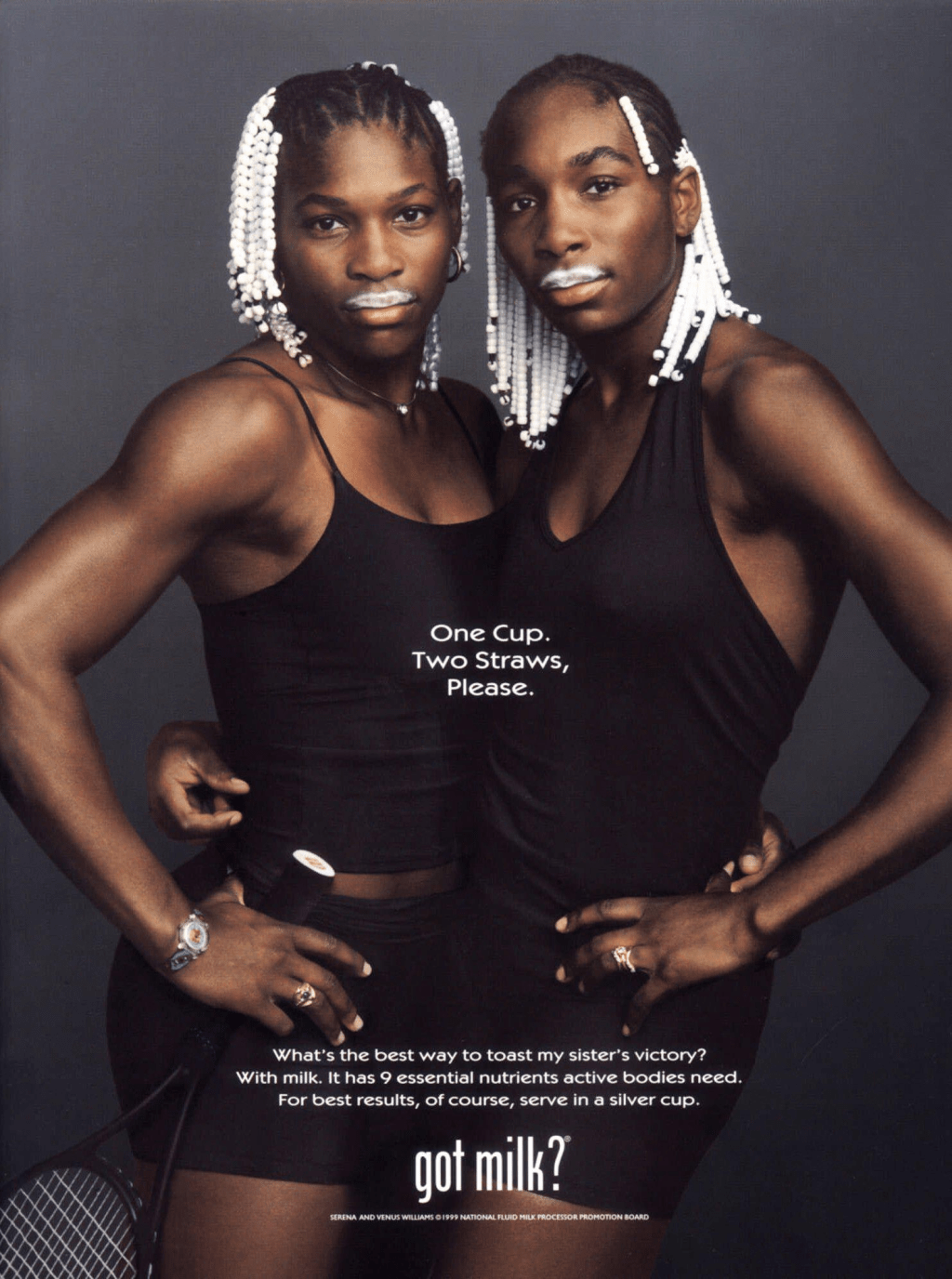
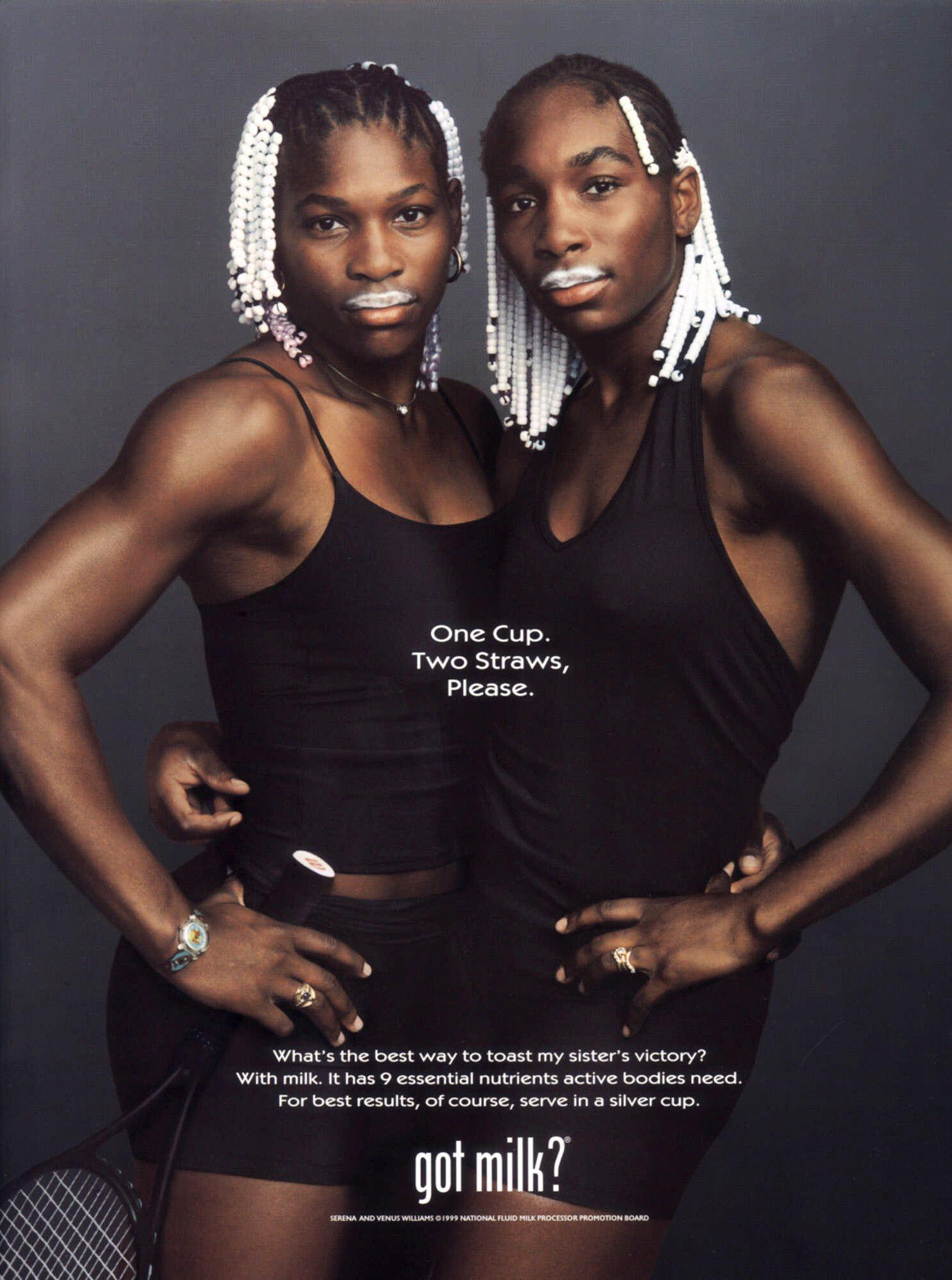
I still remember some of my favorite campaigns (mostly TV), like the Nike “Just Do It” commercials, or the Gatorade one of Mia Hamm v. Michael Jordan or the “Drink Milk” commercials.
So I’ve been increasingly intrigued by “AI CMO” companies I’m seeing pop up. Okara for example went viral last week (March 2026):
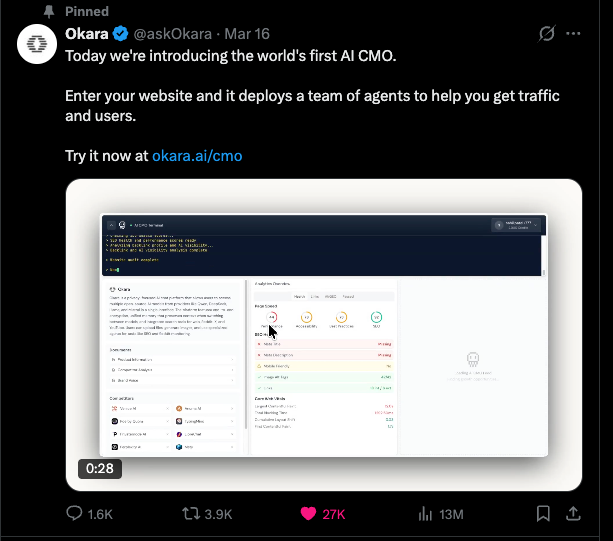
This era of AI CMOs scares me, not only because of my personal inbox, but because of the scale of its potential to create “marketing blind” consumers, who are so flooded with messages that they ignore most of everything.
As I’ve been developing a first principles POV, my introspective questions have been 1) what breaks first 2) what are the downstream implications, and 3) what founders should consider now.
II. What Breaks First: Marketing Arbitrage Windows Shrink
The first thing that breaks will be due to volume.
Marketing used to be bounded by people, time, and budget, which had the charming side effect of forcing decisions.
You could not make everything, test everything, publish everywhere, and tailor every message for every audience because there were only so many hours in the day and only so many poor souls in a room making landing pages.
AI dissolves that constraint. Campaign creation, creative variations, channel coverage – startups can be everywhere at once.
The result is that every company gains the ability to behave like a much larger marketing organization.
So attention should become more expensive to attract as content gets cheaper.
New channels (like ChatGPT in 2023 or Tiktok in 2019) still offer arbitrage, but the window closes faster as AI CMOs descend on them like pigeons spotting a dropped croissant in a city plaza (no offense intended).
I wrote a post a few months ago about “The Reddit Whisperer” and I have already seen VC-backed startups automating the ability to influence subReddits for purposes of driving GEO rankings.
As the speed of creation grows faster, the window for arbitrage to extract alpha will be shorter, and our senses should be dulled.
III. The Second Break: Organic & Paid Suffer more than Brand
The second thing that becomes clearer with AI CMOs is that “AI marketing” is not one category, and AI CMOs will attack the earliest stages of marketing (organic and paid) first, before brand.
Startups tend to cycle through these 3 types of marketing as they grow, starting with organic, then layering on paid, and then cementing market leadership with brand channels once they’re hundred of millions in revenue.
Organic is the obvious starting point because early-stage companies already live there. Social content, email flows, SEO pages, blog posts, launch copy, all of it benefits from speed and iteration on assets / creative, and most startups do not have a large team sitting around polishing subject lines with tweezers. They are bottlenecked here.
Paid is the next logical layer because once spend enters the picture, the cost of mediocre execution becomes visible very quickly. The downside of paid is benign measured to performance.
Brand still feels stubborn. It has more narrative in it, more taste, more internal politics, larger budgets, and more opportunities for someone to say “I just don’t love it” in a tone that could kill months of work.
Founders will increasingly need a point of view on which of these layers they are automating and why.
Startups offering solutions expediting organic will be most successful in wave one.
And that leads me to the third break…if AI CMO is more impactful in driving organic and paid…..what do you do about that first hire? Do you hire someone to oversee growth/marketing before AI?
IV. The Third Break: Hiring vs Software Becomes a Strategic Choice
One of the more interesting choices in front of founders now is whether AI comes before the hire or after it. Do you use software to delay building a marketing team, or do you hire a sharp operator and arm them with software that lets them move at unnatural speed?
I keep coming back to the fact that the best campaigns rarely emerge from optimization logic alone. You can’t increment your way into “Just Got Milk.”
The best campaigns usually start with a slightly unhinged human idea that somehow turns out to be exactly right. Will AI create unhinged ideas? I don’t know.
AI can execute a lot of marketing. It can propose, remix, expand, schedule, localize, and test.
What it still struggles to do is originate complete creative leaps.
Founders should assume the execution layer gets thinner and the premium on good creative judgment gets higher.
So what happens to people? If AI can automate all content optimization, then perhaps marketers become like the SNL creative writer’s room.
Maybe every marketer moves to brand.
V. The Fourth Break: Metrics Stop Meaning What They Used To
Another fourth order implication I’ve been interested in is what happens to KPIs. Because agents are not just creating content – they are also consuming it.
If a campaign claims it drove enormous awareness, founders will need to ask awareness with whom?
How will AI companies defend their value if tons of MQLs are being driven by agents, and those agents have a lower conversion rate, or will their customers care?
Will agents be considered synthetic behavior if there’s a real buyer at the end?
I do think in the interim as we better understand how agents identities will be recognized, we will still need to ask which portion came from actual people. This is temporary.
In the short term I imagine people will measure things like:
| Web Traffic | Total Traffic | Human Visitors | Automated Traffic |
| MQLs | MQLs – Total | MQLs – human verified | MQLs – bot created |
| Calls | 1st Calls Scheduled – Total | 1st Calls Scheduled – Human | 1st Calls Scheduled – Bot |
My prediction is that in a world of higher volume, metrics further away from revenue will start to matter less.
The hierarchy of metrics (see my other blog post on this) will collapse toward harder signals: Qualified intent. Proof that something occurred in the real world. Conversions to paid. Revenue and Gross profit.
Eventually I think we’ll just accept bots are doing top of funnel and not care about the distinction as much anymore.
VI. The Fifth Break: AI CMOs Risk Becoming a Commodity
Products measured only by outcome tend to invite comparison, pressure, and churn.
The more mercenary the value framing, the more replaceable the vendor becomes.
This is why workflow automation tools matter.
The products with staying power are the ones that become the place where the work happens, where assets live, where decisions get made, where campaigns are built and learned from.
Founders building in this area should care a great deal whether they are creating a result generator or a real operating layer.
One gets judged like a line item. The other has a chance of becoming infrastructure, a system of record.
Conclusion.
AI CMOs are coming – I’m seeing them across b2b marketing, b2c media buying, organic channel distribution – they’re everywhere.
Hopefully some of them will be thinking through these 2nd and 4th order effects, so we don’t end up in a AI slop puddle 🙂


Leave a Reply